Plain answers for every water damage question
A burst pipe, a leaking water heater, a wet basement or a stained ceiling. Find out what to do first, what caused it, how to dry it out and what it may cost, in plain words with sources you can check.
Water emergency right now?
- Stay safe. If water is near outlets, cords or the electrical panel, do not walk in it. Turn power off only if you can reach the breaker from a dry spot.
- Stop the water. Close the main shutoff valve, usually where the water line enters the house or near the water meter.
- Take photos of the water and damage before you move things, for your insurance claim.
- Start drying fast. Mold can start growing within 24 to 48 hours, according to the U.S. EPA.
Emergency guides
- What Do You Do When a Pipe Bursts Under Your Driveway?
- What Should You Do First When a Main Water Pipe Bursts?
- What Should I Do About a Burst Supply Pipe?
- Why Did a Pipe Burst After You Turned the Water Back On?
- How Do I Find the Best Plumbing Services for a Burst Pipe?
- What Do You Do About a Broken Pipe Behind a Shower Wall?
Latest articles
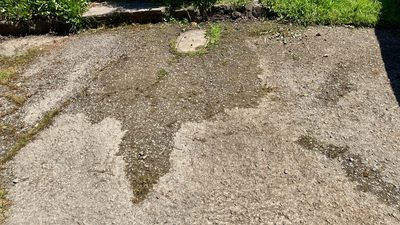 What Do You Do When a Pipe Bursts Under Your Driveway?
Pipe burst under your driveway? Shut off the water, keep cars off wet or soft ground, and call a plumber and your utility. Learn who pays for the repair.
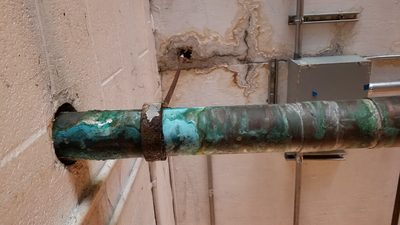 What Causes a Pinhole Leak in Copper Pipe, and What Can You Do?
A pinhole leak in copper pipe is a tiny hole worn through the wall by pitting corrosion. Learn the likely causes, how to stop it, and when to call a plumber.
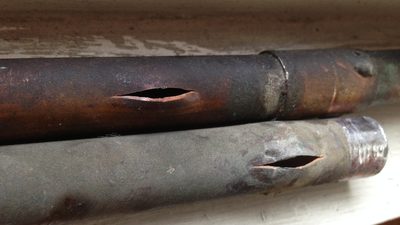 Why Did a Pipe Burst After You Turned the Water Back On?
A pipe burst after turning water back on usually means pressure returned to a weak or frozen spot. Open a faucet first, then open the main slowly.
 What Should I Do About a Burst Supply Pipe?
For a burst supply pipe, close that fixture's angle stop valve first, then the main if it will not shut. Steps for toilet, sink, washer and ice maker lines.
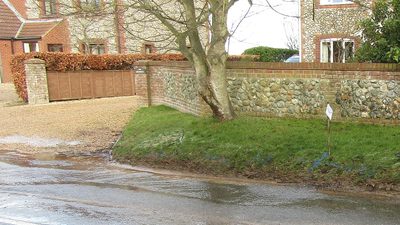 What Should You Do First When a Main Water Pipe Bursts?
A burst main water pipe can flood fast. Shut off the water at the main valve, or call your utility if you cannot, then call a plumber. Steps and do nots.
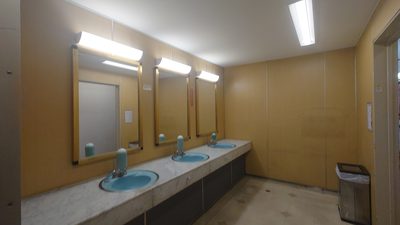 What Should I Do When a Toilet Overflows at Work?
Toilet overflows at work? Stop the flow, keep people out and tell facilities first. Wear boots, goggles and gloves for waste. Dry the floor in 24 to 48 hours.
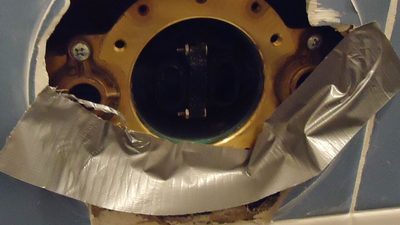 What Do You Do About a Broken Pipe Behind a Shower Wall?
A broken pipe behind your shower wall means shut off the water now, cut power if outlets are wet, then pick access: a next-room panel beats cutting tile first.
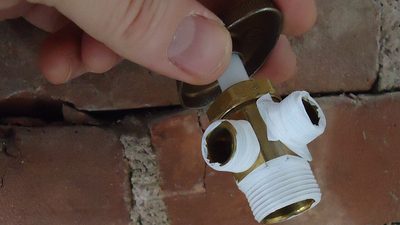 How Do I Find the Best Plumbing Services for a Burst Pipe?
To find the best plumbing services for a burst pipe, confirm the plumber's state license, insurance and a written price. Never pay cash or wire money up front.
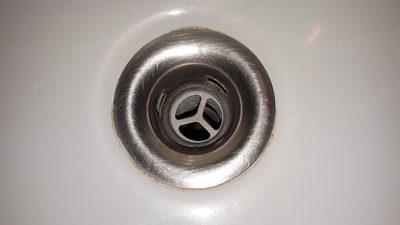 Is a Clogged Drain a Plumber Emergency, or Can It Wait?
Call a plumber now for a clogged drain emergency if sewage backs up, several fixtures back up, or a toilet overflows. Stop water and skip chemical cleaners.
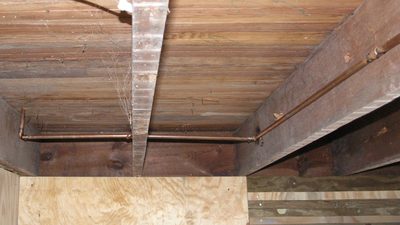 Why Is There a Leaking Water Pipe Inside Your House?
A leaking water pipe in house usually comes from corrosion, high pressure, freezing, fittings or nail punctures. Learn each sign and how to tell which applies.
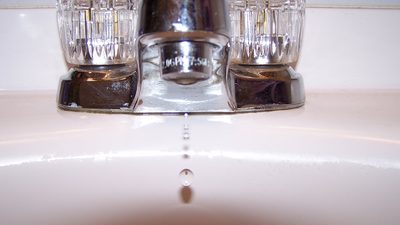 What to Do If You Have a Water Leak in Your House
A leak in your house is an emergency if water flows fast or reaches outlets. Avoid wet electrics, shut off the water, and dry the area in 24 to 48 hours.
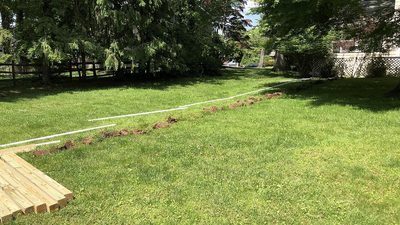 How Do You Fix an Underground Water Pipe Leak?
Fixing an underground water pipe means confirming the leak is buried, checking who owns the line, calling 811, and hiring a licensed plumber where required.
Browse by topic
- Burst Pipe & Plumbing Leaks
Burst, frozen and leaking pipes: what to do, what causes them and what repairs cost.
- Water Heater & Boiler Leaks
Leaking water heaters and boilers: find the source, judge the danger and decide repair or replace.
- Water Damage Restoration
How water damage restoration works, how long it takes and how to choose a company.