How to Prevent Frozen Pipes This Winter
Quick answer
To prevent frozen pipes, keep your thermostat no lower than 55F, even overnight or while you are away, and let a faucet drip during severe cold. Insulate exposed pipes in unheated spaces such as exterior walls, attics, crawl spaces, garages, and under sinks, and open cabinet doors so warm air can reach them.
Key takeaways
- Burst risk generally starts below about 20F for exposed, uninsulated pipes, per Consumer Reports and other field data; the exact number depends on pipe material, insulation, and wind exposure.
- Keep your thermostat no lower than 55F at all times, even away, per American Red Cross and IBHS. Triple-I recommends 65F, and some policies require maintained heat.
- The CPSC ties heat tape to about 3,300 fires and 20 deaths a year, mostly from old or improperly installed tape; use only UL listed tape on a GFCI outlet.
- A burst pipe repair commonly runs $200 to $3,000 or more, against a few dollars for foam insulation or a roll of heat tape.
- Water freezes at 32F, but the air inside an exterior wall cavity runs colder than the room air your thermostat measures.
On this page
- At What Temperature Do Pipes Freeze or Burst?
- How to Prevent Frozen Pipes: Which Pipes Are Most at Risk?
- What Should You Set Your Thermostat To Prevent Frozen Pipes?
- Should You Let a Faucet Drip to Prevent Frozen Pipes?
- How Do You Insulate Pipes to Prevent Freezing?
- Is Heat Tape Safe for Preventing Frozen Pipes?
- How Do You Protect Pipes in a Garage or Crawl Space?
- How Do You Winterize Outdoor Hose Bibs and Spigots?
- How Do You Protect Well Water Pipes and Pump Houses From Freezing?
- What Should You Do Before Leaving Home for Winter?
- Is Preventing Frozen Pipes Cheaper Than Repairing a Burst One?
- When to call a professional
- Frequently asked questions
At What Temperature Do Pipes Freeze or Burst?
Water freezes at 32F, but a pipe rarely bursts right at that point. Consumer Reports and other field test data generally place the real danger zone for exposed, uninsulated pipes below about 20F, though pipe material, insulation, and wind exposure all change the real number.
A pipe bursts when trapped water pressure builds between an ice blockage and a closed faucet. See why pipes actually burst for the full mechanism.
| Outdoor Temperature | Pipe Location or Exposure | Freeze Risk |
|---|---|---|
| Above 32F | Any location | Low |
| 20F to 32F | Heated interior wall or floor | Low |
| 20F to 32F | Exterior wall, attic, crawl space, or garage | Moderate |
| Below 20F | Heated interior wall or floor | Low to moderate |
| Below 20F | Exterior wall, attic, crawl space, garage, uninsulated | High |
| Below 20F for 6+ hours | Any exposed or uninsulated run, including well lines | High |
Treat this table as a general guide, not an exact prediction.
How to Prevent Frozen Pipes: Which Pipes Are Most at Risk?
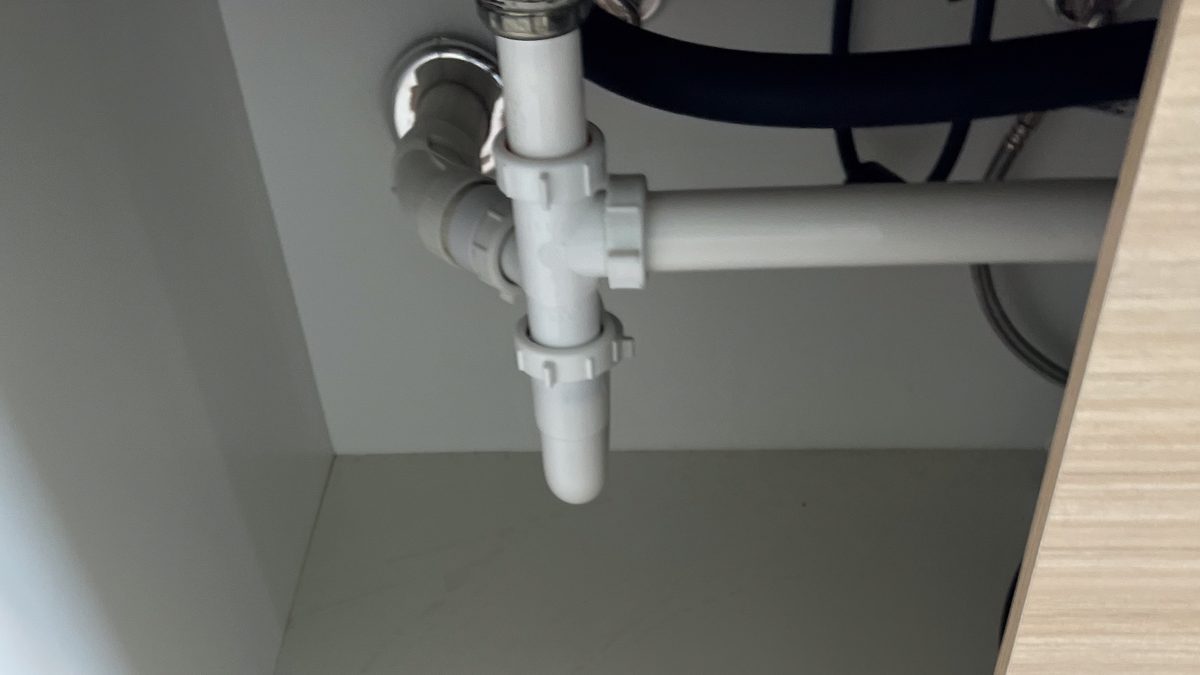
Pipes running through unheated or poorly insulated spaces are most likely to freeze: exterior walls, attics, crawl spaces, garages, and cabinets under kitchen or bathroom sinks.
Work through this checklist room by room before the first hard freeze.
- Kitchen and bathroom cabinets: pipes under a sink that backs onto an exterior wall, where a burst requires specific emergency response steps for bathroom pipe bursts.
- Garage: any water line, sprinkler backflow valve, or washing machine hookup.
- Attic: supply lines feeding an upstairs bathroom or a rooftop unit.
- Crawl space and basement rim joists: exposed pipes near vents or uninsulated foundation walls.
- Exterior walls: any plumbing run built into an outside wall, common in older additions.
- Outdoor hose bibs, spigots, and well or pump houses, each covered below.
If a pipe here has already stopped running or looks frosted over, see how to tell if a pipe is already frozen. Drain and sewer lines freeze differently, so see our guide to thawing frozen sewer pipes if a toilet or tub backs up instead.
What Should You Set Your Thermostat To Prevent Frozen Pipes?
Keep your thermostat no lower than 55F, even overnight or while away. The air inside an exterior wall cavity, where many pipes run, gets colder than the room air your thermostat measures.
The American Red Cross tells homeowners leaving for cold weather to leave the heat on at a temperature no lower than 55F, and IBHS, the insurance industry's own research group, sets that same 55F floor even when no one is home.
The Red Cross adds one point: keep the thermostat at the same temperature day and night instead of lowering it, since a higher heating bill costs less than a burst pipe repair.
Not every source agrees. The Insurance Information Institute (Triple-I) recommends a 65F minimum in its own guidance.
Many homeowners policies also expect you to take reasonable steps to protect the property, such as keeping the heat on, so it is worth checking how homeowners insurance treats a burst pipe claim before winter arrives.
Treat 55F as the general safety floor. If your home is unusually exposed, sits in a very cold climate, or your policy sets a higher minimum, follow the stricter number and check your policy's wording.
Should You Let a Faucet Drip to Prevent Frozen Pipes?
Yes. Letting a faucet drip keeps water moving through a pipe that could otherwise freeze solid, and opening cabinet doors under a sink lets warm air reach pipes in an exterior wall.
The American Red Cross advises letting cold water drip from a faucet served by exposed pipes during severe cold, even at a trickle, with the cabinet doors open below it.
The drip does not need to be heavy; a slow trickle is generally considered enough, though this rate is widely repeated guidance, not one agency's exact number.
Drip the faucet fed by your most exposed pipe run, such as one on an exterior wall, not just any faucet.
How Do You Insulate Pipes to Prevent Freezing?
Wrap any exposed pipe in an unheated space in a foam sleeve or fiberglass wrap, and pick a thickness rated for your climate. Check the product label for its R-value rather than assuming one product fits every spot.
The American Red Cross recommends adding insulation to exposed pipes in attics, basements, crawl spaces, and garages, and checking under kitchen and bathroom cabinets for pipes that need it too. Cited minimums run around R-3, climbing to roughly R-4 to R-8 for the coldest spots; typical foam sleeves run about R-2 to R-4 by thickness.
Where people forget to insulate
Elbows, shutoff valves, and the last foot of pipe at an exterior wall or rim joist are easy to skip, and that segment is often the coldest point in the run.
If a pipe already froze, such as a frozen toilet supply line, apply gentle heat rather than a flame.
When thawing a frozen section, black water from pipe corrosion may temporarily appear when you turn the faucet back on, a harmless but startling discoloration caused by corrosion loosening during the thaw. For the next steps on a frozen but unbroken pipe, see what to do when a pipe is frozen but not burst.

Is Heat Tape Safe for Preventing Frozen Pipes?
Heat tape can keep a pipe from freezing, but the CPSC ties it to roughly 3,300 fires and about 20 deaths a year, almost always from old, uncertified, or improperly installed tape.
The U.S. Consumer Product Safety Commission estimates about 3,300 fires, 20 deaths, and 150 injuries occur annually from heat tapes and cables, mostly from improper installation or aging tape.
- Use only UL listed or UL certified heat tape or cable.
- Plug it into a GFCI protected outlet.
- Never let the cable overlap or cross itself.
- Never cover it with insulation unless the manufacturer allows a specific non flammable type.
- Replace uncertified tape, or tape older than 3 years, before winter.
See our guide on preventing pipes from bursting for other reasons if you would rather avoid an electrical device.
How Do You Protect Pipes in a Garage or Crawl Space?
Keep the garage door closed as much as possible during freezing weather. Insulate or heat-tape any exposed pipe run in the garage or crawl space, and cover crawl space vents to cut wind exposure. If a garage pipe has already burst, see what to do when a pipe bursts in your garage.
An open garage door or crawl space vent lets the coldest outside air reach exposed pipes directly, which is why closing doors and covering vents is standard advice.
Treat a garage washing machine hookup or sprinkler valve the same as any other exposed pipe on the checklist above.
How Do You Winterize Outdoor Hose Bibs and Spigots?
Disconnect and drain garden hoses before the first hard freeze. Shut off the interior valve feeding the outdoor spigot and drain the line, then cover the spigot with an insulated cover.
- Disconnect and drain every garden hose before the first hard freeze.
- Find and shut off the interior shutoff valve for that spigot, if your home has one.
- Open the spigot to let remaining water drain out, then leave it open.
- Cover the spigot with a foam or insulated faucet cover for the season.
A spigot left connected to a full garden hose cannot drain, a common reason an outdoor line splits.
How Do You Protect Well Water Pipes and Pump Houses From Freezing?
Well pipes need the same insulation and heat tape protection as any exposed city supplied pipe, plus attention to the pump housing, since a pump that loses heat or power can freeze and crack.
Insulate the well pipe run like any exposed pipe, and insulate or gently heat the pump house. If the home will be vacant, have someone confirm the pump house heat source, if it has one, still works during the coldest stretch.
Well systems rarely get separate advice from restoration guides, even though a frozen pump house can leave a household with no water until it thaws or is repaired.
What Should You Do Before Leaving Home for Winter?
For a short trip, leave the thermostat at 55F or higher and a cabinet door open. For a home sitting vacant for the season, also shut off and drain the main water supply or have someone check the house regularly.
| Leaving for a Few Days | Closing Up for the Season |
|---|---|
| Leave the thermostat at 55F or higher. | Leave the thermostat at 55F or higher, or arrange for someone to check it. |
| Leave a faucet dripping if a hard freeze is expected. | Shut off the main water supply and drain the pipes. |
| Leave cabinet doors under sinks open. | Have a neighbor or check-in service visit regularly. |
| No need to shut off the main supply for a short trip. | Disconnect hoses and cover all outdoor spigots. |
A season-long closure starts with knowing where that valve is. See our guide to find your main water shutoff valve.
Is Preventing Frozen Pipes Cheaper Than Repairing a Burst One?
Yes, by a wide margin. A few dollars of foam pipe insulation or a roll of heat tape costs far less than a burst pipe repair, which commonly runs about $200 to $3,000 or more before cleanup. If pipes do freeze despite your prevention efforts, apply a quick temporary fix immediately while you arrange for permanent repair.
That range comes from secondary industry sources, not one confirmed primary source, so treat it as illustrative. A typical burst pipe repair cost covers cleanup and drywall costs too.
The Insurance Information Institute's own claims data puts water damage and freezing as the second most common homeowners insurance claim category, with about 1 in 60 insured homes filing one of these claims in a given year, though it is not among the costliest per claim.
When to call a professional
Call for help right away if:
- A pipe has already burst and water is flowing; shut off the main valve first, then get help, see what to do immediately if a pipe bursts.
- You suspect a pipe is frozen but cannot reach or thaw it, or a faucet has no flow with visible frost or a bulging pipe.
- You need heat tape installed in an older home with unknown wiring; have an electrician or plumber do it, per the CPSC cautions above.
- Pipes may have frozen while the home sat unattended more than 24 to 48 hours; ask your insurer about whether insurance covers a burst pipe, since some policies require proof of maintained heat.
- A home will sit vacant more than a few days in freezing weather with no one to confirm the heat is running; call a professional to shut off and drain the plumbing.
Frequently asked questions
What are the warning signs that a pipe is already frozen?
A frozen pipe often shows no water, or only a weak trickle, from the faucet it feeds, along with visible frost, unusual banging or whistling, or a section of pipe that looks swollen. Any of these, especially with almost no flow, means the pipe may already be frozen.
How do you thaw a frozen pipe safely?
Open the faucet the pipe feeds, then apply gentle heat starting nearest the faucet, using a hair dryer, warm towels, or a heating pad. Never use a blowtorch or other open flame. Call a plumber if you cannot reach the frozen section or it has already split.
Does homeowners insurance cover frozen pipe damage?
Many homeowners policies cover the sudden water damage a frozen pipe causes, but not always the pipe repair itself, and some require proof the home was kept heated. Coverage varies by policy; this is general information, not a substitute for checking your own policy.
Do homes in mild climates need to worry about frozen pipes?
Yes, a rare cold snap is often riskier in a normally mild climate, since homes and pipes there are typically not built or insulated for freezing temperatures. The same 55F thermostat, drip, and insulation advice above still applies during any hard freeze.
Is it safe to use a space heater instead of heat tape?
A space heater can warm an enclosed area like a crawl space access point, but it is not a direct replacement for heat tape on a pipe. Plug it into a GFCI outlet, keep it away from flammable material, and never leave it running unattended.
Is freeze prevention different from preventing pipes from bursting for other reasons?
Freezing is only one cause of a burst pipe. Corrosion, old age, high water pressure, and physical damage cause pipes to burst in any season, not only winter. The steps here address freeze risk specifically; our broader prevention guide covers those other causes.
Sources
- American Red Cross, Frozen Pipes
- Ready.gov (FEMA), Winter Weather
- IBHS, Winter Weather Ready Guide
- U.S. Consumer Product Safety Commission, Check Heat Tapes/Cables for Possible Fire Hazards
- Insurance Information Institute (Triple-I), Tips for Surviving Severe Cold Weather
- Insurance Information Institute (Triple-I), Facts + Statistics: Homeowners and Renters Insurance
- Industry-reported burst pipe repair cost range (secondary-sourced estimates, used only as an illustrative range)