Does Homeowners Insurance Cover a Burst Pipe?
Quick answer
Yes, usually: homeowners insurance covers water damage from a burst pipe when the break is sudden and accidental, not a slow leak, neglect, or worn-out plumbing. The broken pipe itself is never covered, but the water damage and the tear-out to reach it usually are.
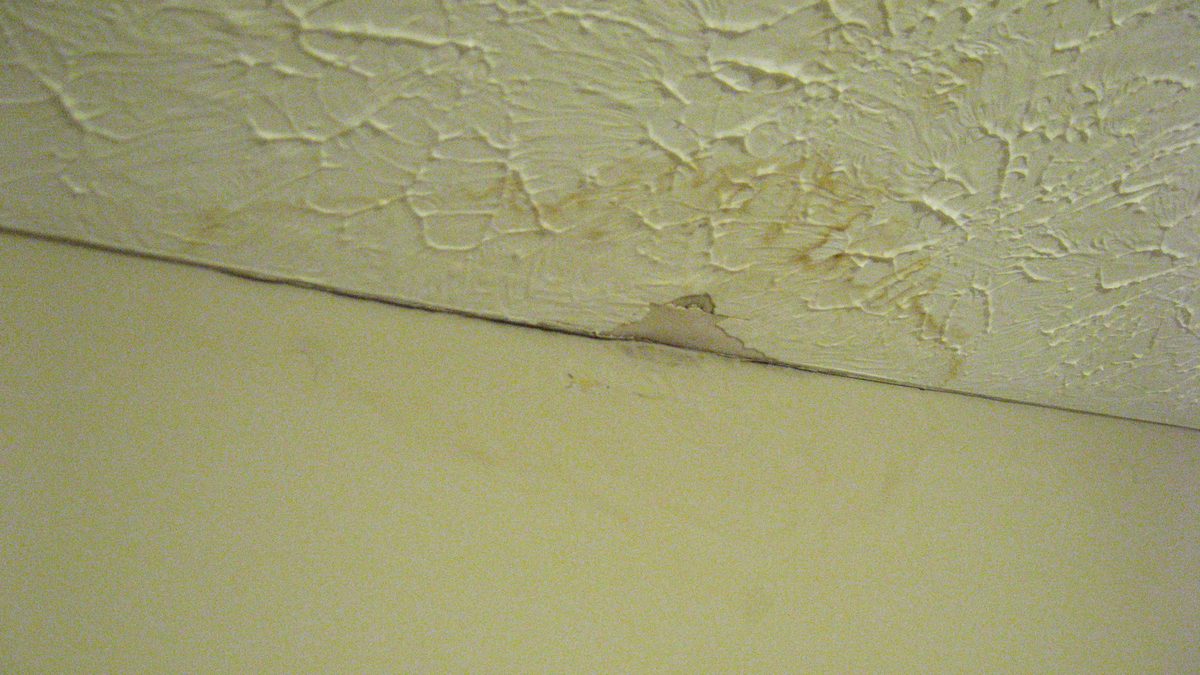
Key takeaways
- Sudden, accidental burst-pipe water damage is covered under a standard HO-3 policy; damage from a leak left running for weeks, or from worn-out plumbing, is not.
- The pipe itself is never covered (typically $200 to $3,000 to repair, per CNBC Select), but the water damage and the tear-out needed to reach it usually are.
- Frozen-pipe coverage depends on reasonable care to keep the home heated (around 69°F, or no lower than 55°F, per DC's insurance regulator) or to shut off and drain the system, not on a fixed vacancy day count in the base policy form.
- Mold caused by a covered burst-pipe leak is often covered only up to a sublimit commonly in the $5,000 to $10,000 range; always check your own declarations page for the real number.
- Standard homeowners and renters insurance never covers flood damage; that requires a separate NFIP or private flood policy.
On this page
- Does Homeowners Insurance Cover a Burst Pipe?
- What Does "Sudden and Accidental" Actually Mean in Your Policy?
- Is the Broken Pipe Itself Covered, or Only the Damage It Causes?
- Does Insurance Cover Frozen Pipes That Burst?
- How Many Days Can a Home Be Vacant Before Freeze Coverage Changes?
- Is Tearing Out a Wall or Floor to Reach the Pipe Covered?
- Does Insurance Cover a Slab Leak or a Water Heater Leak the Same Way?
- Does Insurance Cover Mold From a Burst Pipe, and How Much Will It Actually Pay?
- What Should You Do Right After a Pipe Bursts to Protect Your Claim?
- Does Condo or Renters Insurance Cover a Burst Pipe?
- Why Do Burst-Pipe Insurance Claims Get Denied, and How Do You Appeal?
- When to call a professional
- Frequently asked questions
Does Homeowners Insurance Cover a Burst Pipe?
Yes, in most cases. This is general information, not advice about your specific policy; check your declarations page or ask your agent before assuming coverage. A standard homeowners policy covers water damage from a burst pipe when the break is sudden and accidental, but it excludes damage from a gradual leak, neglect, and the failed pipe itself.
Insurers draw this line the same way nationwide. Travelers describes covered water damage as coming from "a sudden, unexpected occurrence," separate from damage you get "if you ignore a known leak or other long-standing problem."
The Texas Department of Insurance puts it more plainly: home or renters insurance covers sudden and accidental water damage, giving a burst pipe, a toilet overflow, and a broken washer hose as examples.
This section covers the general rule; for how it fits into water damage coverage as a whole, see whether homeowners insurance covers water damage overall.
| Scenario | Covered? | Why |
|---|---|---|
| Supply line bursts suddenly while the home is occupied and heated | Yes | Sudden and accidental discharge, ISO Peril 12 |
| Pipe freezes and splits; the thermostat was kept at a normal temperature | Yes | Freezing peril; reasonable care was taken |
| Pipe freezes and splits; the home was left at 50°F for a week with no drain-down | Depends, often No | Freezing peril requires reasonable care to maintain heat or drain the system |
| Pipe has been visibly dripping for two months before it fails | No | Gradual damage and wear and tear exclusion, not sudden |
| Cost to replace the burst pipe or fitting itself | No | ISO Peril 12 excludes loss to the system that failed |
| Cost to tear out a wall or floor to reach and repair the broken pipe | Yes | Tear-out and access exception in the discharge-of-water peril |
| Water heater tank ruptures suddenly | Yes for resulting damage, No for the tank | Same sudden and accidental rule as any plumbing system |
| Sewer or drain backs up into the home | No, unless you bought the endorsement | Separate peril; standard form excludes backup without a sewer/drain endorsement |
| Rising groundwater or storm surge floods the home | No | Flood is excluded from homeowners insurance; needs NFIP or private flood insurance |
| Mold growing hidden inside a wall from the burst-pipe water | Yes, up to a sublimit | Mold exception applies when it results from a covered discharge of water |
A burst pipe is not the same thing as a flood. If rising groundwater or storm surge is involved instead, you need a separate policy; see FEMA's flood insurance page for how that coverage works.
What Does "Sudden and Accidental" Actually Mean in Your Policy?
It is the legal test insurers use to decide burst-pipe claims. A one-time, unexpected event is covered; damage that built up over time from an existing leak is not.
The sudden-and-accidental test
The standard ISO HO-3 homeowners form says this peril "means accidental discharge or overflow of water or steam from within a plumbing, heating, air conditioning or automatic fire protective sprinkler system or from within a household appliance." Individual policies vary, so the exact wording in your own policy may differ slightly.
In plain terms, a supply line that lets go without warning fits this peril, whether it is a supply line under a sink or a washer or ice maker line covered in our burst supply pipe guide. The same sudden versus gradual test applies if a bathtub suddenly leaks through the ceiling instead of a supply pipe.
A pipe that has been seeping for weeks does not, because the loss was not sudden.
The separate reasonable-care/maintenance test (and why the two get confused)
Insurers also ask whether you took reasonable care of the plumbing. The Texas Department of Insurance notes that policies usually will not cover damage from gradual leaks or seepage, and that includes damage from mold.
These two tests, sudden versus gradual and reasonable care versus neglect, often get blurred together, but an adjuster can use either one to deny a claim.

Is the Broken Pipe Itself Covered, or Only the Damage It Causes?
Only the damage is covered. The pipe, fitting, or appliance that failed is specifically excluded, and repairing or replacing it is your own cost. If the leak came from a boiler, our boiler pipe guide explains how to tell it apart from a household pipe.
The standard ISO HO-3 form excludes loss "to the system or appliance from which the water or steam escaped," even when the water damage around it is covered. Individual policies vary in exact wording, but this split is standard across major carriers.
Repairing the pipe itself typically costs $200 to $3,000, averaging around $500, according to CNBC Select. That is separate from the cost of drying, repairing, and rebuilding the space around it; for the actual repair steps, see how to fix a burst pipe.
The same split applies no matter the pipe material: copper, PEX, or galvanized steel. It also applies to a burst washing machine hose: the hose is your cost, the water damage it caused is not. For the fuller picture of what a covered claim can run, review the labor, materials, and drying time involved in a typical claim.
Does Insurance Cover Frozen Pipes That Burst?
Yes, if you used reasonable care to prevent the freeze. That means keeping the home heated, or shutting off and draining the system if it was left unheated.
The standard ISO HO-3 form covers freezing when you have used "reasonable care to: (1) Maintain heat in the building; or (2) Shut off the water supply and drain all systems and appliances of water." Individual policies vary, so confirm your own wording.
The DC Department of Insurance, Securities and Banking recommends keeping heat around 69 degrees, or no lower than 55 degrees, and draining the system if a property will sit unheated. Travelers gives the same 55°F floor as a prevention tip for when you are away.
Reasonable care is about your actions, not a fixed thermostat law. For a full winterizing checklist, see how to keep pipes from freezing this winter.
How Many Days Can a Home Be Vacant Before Freeze Coverage Changes?
The base ISO form does not set a fixed day count for freezing itself. The widely repeated "30 to 60 day" vacancy rule actually comes from other perils, and most carriers add their own vacancy endorsement with its own day count.
Why most articles get the "30-60 day" rule wrong
The 60-consecutive-day vacancy threshold in the base ISO HO-3 form applies to the glass-breakage peril and the vandalism and malicious-mischief peril, not to freezing. Freezing is a reasonable-care standard with no bright-line number of days in the base form. Individual policies vary, so treat this as typical, not universal.
What to do if you will be away: a vacancy endorsement
Carriers commonly sell a vacancy endorsement with its own day count, often 30 or 60 days, for homes that will sit empty. If you plan to be away for an extended period, ask your agent whether your policy needs one, and drain the system or leave the heat on as backup protection.
Is Tearing Out a Wall or Floor to Reach the Pipe Covered?
Yes. The cost to cut open and later repair a leaking wall, floor, ceiling, or slab specifically to reach and fix the broken pipe is covered, even though the pipe repair itself is not.
The standard ISO HO-3 form says coverage includes the cost to "tear out and replace any part of a building, or other structure, on the residence premises, but only when necessary to repair the system or appliance," while separately excluding the system or appliance itself. Individual policies vary in exact wording, but this tear-out and access rule is standard.
Policygenius frames the same idea for slab claims: your homeowners insurance "will help pay for slab replacement or repairs if the leak was caused by a covered peril," while the plumbing fix itself stays separate.
For example, if a slab leak forces you to jackhammer a section of concrete floor to reach the pipe, the concrete cutting and patching are covered access costs, while the copper line itself is not.
Does Insurance Cover a Slab Leak or a Water Heater Leak the Same Way?
Both follow the same rules as any other pipe. The resulting damage and necessary slab or wall access are generally covered, but the failed pipe or tank itself is not, and a slow corrosion leak is treated as gradual, not sudden.
Slab leak under the foundation
Detecting a slab leak typically costs $150 to $600, averaging about $280, and repair averages roughly $2,300 nationally, according to Policygenius. Insurance can cover the access and repair around the leak; the plumbing fix itself is your cost.
If you are not sure whether you have one, see the signs of a slab leak or what to do about a leaking pipe under a slab.
Water heater tank failure
A water heater tank is a household appliance under the same ISO rules as any plumbing system: a sudden rupture and its damage are generally covered, the tank itself is not. If your tank is leaking from the bottom rather than bursting outright, see our note on a water heater leaking from the bottom for how to tell the difference.
Does Insurance Cover Mold From a Burst Pipe, and How Much Will It Actually Pay?
Yes, generally, but only up to a mold sublimit. Mold that grows hidden inside a wall, ceiling, or floor because of a covered burst-pipe leak is usually covered up to a cap of a few thousand dollars, and your regular deductible applies first.
The standard ISO HO-3 form makes an exception to its general mold exclusion: it insures "for loss caused by mold, fungus or wet rot that is hidden within the walls or ceilings or beneath the floors" when that loss results from a covered discharge of water. Individual policies vary, so check your own mold sublimit.
Typical HO-3 mold sublimits commonly fall in the $5,000 to $10,000 range, with optional endorsements raising the cap to $25,000 or more. Treat this as a common range, not a fixed number, and check your own declarations page.
| Item | Amount |
|---|---|
| Water extraction, drywall, and flooring (covered water damage) | $11,000 |
| Mold remediation bill | $3,000 |
| Total covered loss | $14,000 |
| Your deductible (subtracted first) | $1,000 |
| Hypothetical mold sublimit | $5,000 (the $3,000 mold bill is under this cap, so it is paid in full) |
| Insurer pays | $13,000 |
| If the mold bill had been $8,000 instead of $3,000 | Only $5,000 of it would be paid under the sublimit; you would owe the remaining $3,000 yourself |
What Should You Do Right After a Pipe Bursts to Protect Your Claim?
Stop the water, document everything before you touch anything, and take reasonable steps to prevent further damage. Most policies require you to protect the property once a loss occurs. The same steps apply after a toilet overflow, so see our guide to toilet overflow damage, or toilet overflows at work for a commercial building.
For the repair records, see our guide to patch or replace a small section of a pipe burst.
The Texas Department of Insurance recommends shutting off water at the main and moving items off the floor, specifically to avoid a denial for failure to protect the property. For the full first-hour emergency steps, see what to do immediately when a pipe bursts.
- Shut off the water at the main shutoff valve, and the electricity to any affected area if water is near outlets or panels.
- Photograph and video the damage and the source of the leak before you move or discard anything.
- Note the exact date and time you discovered the burst pipe.
- Take reasonable steps to stop further damage: extract standing water, move furniture and belongings out of the wet area.
- Do not throw away damaged items until your adjuster has seen them or told you it is fine to discard them.
- Call your insurer promptly to open the claim, and ask what documentation they need.
- Keep every receipt for emergency mitigation: water removal, a plumber's emergency call, a dehumidifier rental.
- Get repair estimates in writing from a licensed plumber or a vetted restoration company before major repairs begin.
- Do not complete full permanent repairs before the adjuster inspects, beyond the emergency mitigation needed to stop more damage.
Does Condo or Renters Insurance Cover a Burst Pipe?
Renters insurance covers your belongings and additional living expenses if a burst pipe damages your rental, not the building itself. Condo insurance covers your unit's interior and belongings, while the building structure and common-area pipes are usually the HOA master policy's responsibility.
Renters insurance (HO-4)
An HO-4 policy covers personal property and loss of use only. Your landlord's own policy covers the building itself, so a burst-pipe claim as a renter is almost always about your belongings and any temporary housing you need, not repairs to the unit.
Condo insurance (HO-6) and the HOA master policy
An HO-6 policy covers interior finishes, personal property, and loss of use. The HOA master policy covers the building structure and shared systems, but the exact walls-in split is defined by your condo's governing documents. For how this plays out in a real claim, see whether condo insurance covers water damage.
When a pipe serving one unit damages a neighbor's unit
If a pipe in your unit bursts and damages a neighbor's unit, your HO-6 liability or loss assessment coverage can come into play, depending on whose plumbing failed and what your governing documents say. Ask your HOA and your agent how your specific documents assign responsibility.
Why Do Burst-Pipe Insurance Claims Get Denied, and How Do You Appeal?
Most denials come down to three things: the insurer decided the damage was gradual rather than sudden, you did not take reasonable care to prevent freezing, or a cost exceeds your mold sublimit. You can request the denial in writing, ask for re-inspection, and escalate to your state insurance department if you disagree.
Common denial reasons
The National Association of Insurance Commissioners ties denial risk directly to failing to take preventative measures against freezing. Other common reasons include a slow leak the insurer decides was ongoing for weeks, damage above your mold sublimit, or missing documentation from the protect-your-claim steps above.
How to appeal: re-inspection, your state insurance department, and when to bring in a public adjuster or attorney
Ask your insurer for the denial in writing and request a re-inspection if you disagree. Many states require insurers to explain a denial in writing and to acknowledge a new claim within a set number of days, so ask about your own state's rules.
The Texas Department of Insurance runs a consumer help line at 800-252-3439 for exactly this kind of dispute.
If the estimate is far below independent repair quotes, or the insurer is not responding within your state's required window, a public adjuster or attorney can help. Start with your state insurance department's complaint line before paying for help, since many disputes get resolved at that stage.
When to call a professional
Call a restoration company first when:
- Water is actively flowing, or standing more than a couple of inches, and you cannot stop it at the main shutoff.
- It has been more than 24 to 48 hours since the leak and materials are still wet, since mold risk rises quickly in that window.
- The water may have reached electrical outlets, panels, or systems, or the ceiling is sagging: treat this as a safety risk and call before doing anything else.
- You need emergency mitigation to stop further damage; call before, or at the same time as, you file the claim, since most policies expect you to prevent further loss regardless of when the adjuster arrives.
Call a public adjuster or attorney when:
- Your claim is denied and you believe the denial is wrong after requesting it in writing and re-inspection.
- The estimated damage is large (structural, whole-floor, or high-value items) and the insurer's estimate is far below independent repair quotes.
- The insurer is delaying or not responding within your state's required acknowledgment window.
- You are unsure whether a dispute is worth pursuing informally first, through your state insurance department's consumer complaint line, before hiring paid help.
Frequently asked questions
Does homeowners insurance cover a burst pipe from an old house with old plumbing?
Age alone doesn't disqualify a claim. If old pipes fail suddenly, the resulting water damage is generally still covered the same as new plumbing. But if the insurer can show the pipe was already failing (visible corrosion, a known slow leak) before it burst, that points toward gradual damage, which is not covered.
Does homeowners insurance cover a burst pipe caused by a home renovation or a contractor's mistake?
The water damage itself may still be covered as sudden and accidental, but the cost to fix the contractor's faulty work is not; that would typically fall to the contractor's own liability insurance or a warranty claim against them, separate from your homeowners claim.
Will my homeowners insurance rates go up after a burst-pipe claim?
Often yes, at least at your next renewal, and multiple water claims within a few years can lead to a nonrenewal in some states. This varies significantly by insurer and state, so ask your agent directly rather than assuming a specific increase.
Does a home warranty cover what homeowners insurance does not?
A home warranty is a separate service contract, not insurance. It can cover the repair or replacement of the failed pipe, water heater, or appliance itself, which homeowners insurance specifically excludes, but check the warranty's own terms and exclusions since coverage varies by provider.
How long does a burst-pipe insurance claim take to pay out?
Simple, well-documented claims can be resolved in a few weeks; larger or disputed claims (especially with mold or structural damage) can take months. Several states require insurers to acknowledge a new claim within a set number of days, so ask your insurer for their specific timeline when you file.
Do I need to get multiple repair quotes before insurance will pay?
Most insurers do not require multiple quotes, but having a written estimate from a licensed plumber or restoration company speeds up the adjuster's review and gives you leverage if their estimate seems low. Getting two estimates also protects you if the first contractor's number looks unusually high or unusually low compared to the actual scope of the repair.
Does insurance cover a burst pipe if I was on vacation and no one found it for days?
The burst itself may still be covered as sudden and accidental, but the additional damage that piled up while it went unnoticed can be reduced or denied if the insurer decides you did not take reasonable steps to prevent or limit the loss, which is why prompt discovery and shutoff matter.
Is a burst pipe the same thing as a flood for insurance purposes?
No. A burst pipe is an internal plumbing failure covered by homeowners insurance; a flood is external water (rising groundwater, storm surge, overflow from a natural body of water) that homeowners insurance never covers and that requires a separate NFIP or private flood policy.
Sources
- National Association of Insurance Commissioners (NAIC), 'Will My Homeowners Insurance Policy Cover Water Damage From a Burst Pipe?'
- ISO Homeowners 3 Special Form HO 00 03 10 00, hosted by Nevada Division of Insurance
- Texas Department of Insurance, 'Unexpected indoor waterfall? Home or renters insurance might help'
- DC Department of Insurance, Securities and Banking, 'If My Frozen Pipes Burst, Am I Covered by Insurance?'
- FEMA, 'Flood Insurance'
- Policygenius, 'Does Home Insurance Cover Broken Pipes Under Slab?'
- CNBC Select, 'Your frozen pipes have burst, will your insurance cover it?'
- Travelers, 'Does Homeowners Insurance Cover Burst Pipes?'