What to Do When a Pipe Bursts in Your Bathroom
Quick answer
When a pipe bursts in your bathroom, shut off the fixture valve or main water valve within the first minute, then cut power to any outlet near the water. Remove standing water, photograph the damage, and call a licensed plumber right away. Begin active drying within 24 hours; mold can start growing in 48 to 72 hours.
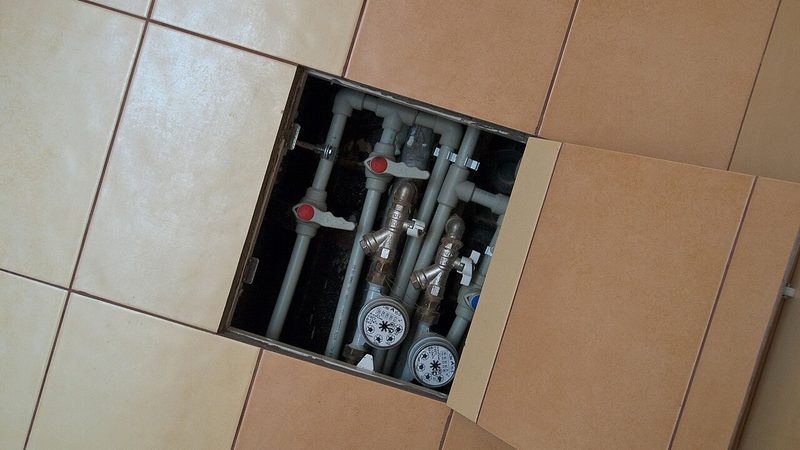
Key takeaways
- Shut off the fixture valve (behind the toilet or under the sink) or the main water valve within the first few minutes; a burst 0.5-inch pipe at normal household pressure can release roughly 7 gallons a minute, up to several hundred gallons in an hour if nobody shuts off the water.
- Mold can begin growing within 48 to 72 hours of water exposure, according to the CDC, so active drying needs to start within 24 hours to avoid an established colony.
- Homeowners insurance typically pays to repair water damage to floors, drywall, and belongings but not to repair the pipe itself, according to Travelers; water damage and freezing claims average about $10,849, according to Hanover Insurance.
- Individual fixture shutoff valves behind the toilet or under the sink can isolate a bathroom leak without cutting off water to the rest of the house.
- A pipe clamp, epoxy putty, or plumber's tape can slow a leak temporarily, but actual repair cost depends heavily on the pipe's location and how hard it is to reach, so get a quote from a licensed plumber rather than relying on a general estimate.
On this page
- How to Shut Off Water in an Emergency
- What to Do in the First 30 Minutes After Discovery
- How Much Water Floods from a Burst Pipe
- Mold Growth Timeline and Drying Urgency
- Can You Temporarily Fix a Burst Pipe Yourself
- What Causes Pipes to Burst in Bathrooms
- Does Insurance Cover Burst Pipes
- When to Call a Professional Plumber
- When to call a professional
- Frequently asked questions
How to Shut Off Water in an Emergency
When a pipe bursts in your bathroom, find the fixture shutoff valve behind the toilet or under the sink and turn it clockwise within the first minute. If it will not turn or you cannot find it, shut off the main water valve where the supply line enters your home.
Finding and using the fixture shutoff valve
Most toilets have an oval handle on the wall or floor behind the tank. Most bathroom sinks have two small valves under the basin, one for hot and one for cold. Turn either clockwise until it stops to cut water to that fixture only.
Locating your main water shutoff valve
The main shutoff sits where the main water line enters your house, often tagged for quick identification, according to Ready.gov. Turning it off stops water to the entire home, not just the bathroom.
Main shutoff locations by home type
In a house with a basement, check near the water heater or the front foundation wall. In a crawl-space or slab home, look near the water heater, garage, or an outdoor meter box. In a condo, check the unit's utility closet; some buildings only let maintenance staff shut off a shared riser.
For a longer walkthrough by home type, see our guide to finding your main water shutoff valve. For the full first-hour plan for any burst pipe, see our general guide on what to do when a pipe bursts.
What to Do in the First 30 Minutes After Discovery
Shut off the water first, then check for electrical hazards, remove standing water, and document everything before you start cleanup. Doing these steps in order protects you and strengthens any insurance claim.
Safety hazards: electricity and water exposure
If water is pooling near an outlet, switch, or any plugged-in appliance, do not touch it. Turn off the circuit breaker for the bathroom at your panel before you step into standing water.
Emergency water removal techniques
Use towels, a mop, or a wet/dry shop vacuum to pull up standing water right away. If the burst is at the sink's supply line rather than the toilet, see our guide on what to do when a pipe bursts under the sink for shutoff and cleanup steps specific to that fixture.
Documenting damage for insurance claims
Photograph and video every wet surface from multiple angles before you move anything. Note the time you found the leak and the time you shut off the water, since insurers may question claims reported days later.
The water's source matters too. A toilet or sink supply line carries clean water, but water backing up from a drain or an under-slab main line can carry waste and bacteria; see our guide on what causes black water in pipes if the water looks dark or smells foul.
How Much Water Floods from a Burst Pipe
A 0.5-inch bathroom pipe at normal household pressure releases about 7 gallons a minute, which adds up to roughly 400 gallons within an hour if nobody shuts off the water. A toilet supply line alone leaks a slower 2 to 3 gallons a minute.
Water flow rates by pipe size
Normal household water pressure runs 45 to 60 psi, according to the EPA's WaterSense program. At that pressure, a half-inch supply pipe can release roughly 7 gallons a minute, while a toilet refill line flows a slower 2 to 3 gallons a minute.
Damage scale by time since burst
| Source | Flow rate | Water released in one hour if undetected |
|---|---|---|
| 0.5-inch bathroom supply pipe | About 7 gallons per minute | Up to about 400 gallons |
| Toilet supply line | 2 to 3 gallons per minute | Slower, but still significant over time |
How quickly water spreads through drywall and subfloors
Water spreads fastest through grout lines, baseboards, and subfloor seams. Flooring and drywall near the leak show damage first, but moisture can travel further before it is visible.
Mold Growth Timeline and Drying Urgency
Mold can begin growing within 48 to 72 hours of water exposure, according to the CDC. Start active drying within 24 hours of the burst to stay ahead of that window.
The 24-hour drying window explained
Materials that stay wet longer than 48 hours should be treated as contaminated with mold, according to the CDC. Starting fans and a dehumidifier within the first 24 hours gives you the best chance of drying everything before that window closes.
Conditions that speed mold growth (humidity, temperature)
Mold grows fastest in warm, humid air. The EPA recommends humidity control that keeps indoor relative humidity below 60 percent, ideally between 30 and 50 percent, while materials dry.
Signs of active mold growth during drying
Watch for a musty smell, fuzzy or discolored patches on drywall or grout, or baseboards that stay soft after 48 hours of fans and a dehumidifier. Any of these signs means the area needs professional water extraction, not just more fan time.
Can You Temporarily Fix a Burst Pipe Yourself
Yes, a pipe clamp, epoxy putty, or plumber's tape can slow or stop a leak long enough to wait for a plumber, but none of these are permanent repairs. Use them only as an emergency measure until a licensed plumber can make the real fix.
Common temporary repair materials and methods
A rubber-and-clamp repair kit wraps directly over the break and tightens with screws. Epoxy putty seals small cracks once it cures. Self-fusing silicone tape wraps tightly around a pinhole leak. All three need a dry pipe surface to hold.
When DIY drying is enough and when you need professional extraction
If standing water covers less than about 1 inch of floor and you caught it within an hour, towels, a wet vacuum, fans, and a dehumidifier are usually enough. Once water is deeper than 1 inch or has soaked into drywall or subflooring, call a professional water extraction team instead.
Limitations of temporary fixes
A clamp or putty patch can fail under normal water pressure, especially at a joint or elbow. Check it often, keep the main valve easy to reach, and do not rely on a temporary fix overnight without a plumber already scheduled.
For step-by-step repair methods once the plumber identifies the damaged section, see our guide to fixing a burst pipe. Repair cost depends heavily on the pipe's location and how hard it is to reach, so get a quote from a licensed plumber rather than relying on a general estimate.
What Causes Pipes to Burst in Bathrooms
Frozen pipes, water pressure above the normal range, corrosion, and old or damaged pipe material cause most bathroom pipe bursts. Bathroom supply lines also take frequent pressure surges every time a toilet refills, which adds wear over time.
Frozen pipe risk and prevention
Pipes are at risk of freezing once outdoor temperatures drop to about 20 degrees Fahrenheit, according to Hanover Insurance. Keeping your thermostat at 55 degrees Fahrenheit or higher, day and night, including when you travel, is the main defense.
Watch for early warning signs: a faucet that trickles instead of flowing normally, frost on a visible pipe, or a banging or whistling sound from the tap. If you notice any of these, open the faucet slightly and warm the area near the pipe instead of waiting for it to burst.
For the full seasonal checklist, see our guide to keeping pipes from freezing this winter.
Water pressure problems and regulators
Normal household water pressure runs 45 to 60 psi, according to the EPA's WaterSense program. Most U.S. plumbing codes require a pressure-regulating valve once incoming pressure passes 80 psi, since sustained high pressure stresses pipe joints and fittings and raises burst risk.
Corrosion and aging pipe materials
Galvanized steel and older copper pipes corrode from the inside over decades, thinning the pipe wall until it fails under normal pressure. Corrosion is more common in older homes and areas with hard or acidic water.
Impact of water use patterns in bathrooms
Every toilet refill and shower valve shift sends a small pressure surge through bathroom supply lines. Repeated surges add wear at joints over the years, one reason bathroom pipes burst more often than pipes in rooms used less.
Does Insurance Cover Burst Pipes
Most homeowners policies pay to repair the water damage, such as flooring, drywall, and furniture, but not the cost of repairing the pipe itself, according to Travelers. Coverage can be denied if the burst resulted from neglect, like leaving a home unheated in winter.
This is general information, not advice on your specific policy, so check your own policy wording or call your insurer with questions.
What is covered in a burst pipe claim
Most homeowners policies pay to repair or replace damaged drywall, flooring, carpet, and furnishings after a sudden pipe burst, according to Travelers. Water damage and freezing claims average about $10,849, according to Hanover Insurance.
What is NOT covered
Most policies will not pay to repair or replace the pipe itself, according to Travelers. That repair cost is on you, which is another reason to get a quote from a licensed plumber as soon as the leak is under control.
Negligence exceptions and denial scenarios
Your insurer may deny the claim if you could have prevented the burst, such as leaving a home unheated while away in winter, according to NerdWallet. Keep your thermostat at 55 degrees Fahrenheit or higher whenever you travel in cold weather.
Renters insurance and condo owner responsibilities
Renters: notify your landlord right away, since the landlord's policy typically covers the building and pipe repair while your own renters policy covers your belongings. Condo owners: check your association's rules, since responsibility often splits between your unit and shared building lines.
Our in-depth guide on whether homeowners insurance covers a burst pipe breaks down policy language and claim steps in more detail.
When to Call a Professional Plumber
Call a plumber as soon as you shut off the water; most emergency plumbers can respond within a few hours. Call a professional water damage restoration company too if standing water is deeper than 1 inch, mold or a musty smell appears within 24 hours, or the water came from a sewage line or an under-slab main.
Signs you need emergency plumbing services
Treat it as a plumbing emergency and call right away if you cannot stop the leak with the fixture or main valve, if the pipe is in a wall, ceiling, or under the floor, or if water is near any outlet or the breaker panel.
When to hire professional water extraction teams
Bring in a professional water extraction company if standing water is deeper than 1 inch, a musty smell or visible mold shows up within 24 hours, or the water involves sewage or a gray or black source. Also call one if you cannot fully dry the area within 48 hours using fans and a portable dehumidifier.
Timeline for professional arrival and restoration costs
Most emergency plumbers can respond within a few hours of your call, especially if you mention active flooding. Restoration cost depends on how much water spread and how long it sat, so ask your water damage restoration company for a written estimate before work begins.
If the burst turns out to be behind a wall rather than at a visible fixture, our guide on what to do when a pipe bursts inside a wall covers that scenario in more depth.
When to call a professional
Call a plumber immediately once you discover a burst pipe in your bathroom. This is a plumbing emergency, so call right away if:
- You cannot stop the leak with the fixture valve or the main water valve.
- The pipe is inside a wall, ceiling, or under the floor where you cannot see it.
- Water is near an outlet, switch, or the breaker panel; call an electrician too if the breaker box itself is wet.
Call a professional water damage restoration company if:
- Standing water is deeper than 1 inch.
- Mold growth or a musty smell appears within 24 hours.
- The burst involves sewage or gray or black water, such as an under-slab main line.
- You cannot fully dry the area within 48 hours using portable dehumidifiers and fans.
Frequently asked questions
Can I stay in my home while water damage is drying after a burst pipe?
Usually yes, if the burst is isolated to a small area and drying begins within 24 hours. If the water damage is extensive, mold appears, or structural areas are affected, you may need to leave temporarily for health and safety reasons. Ask your water damage restoration team whether your specific situation is safe to stay in.
What should I do if the burst pipe is under my home or in the crawl space?
Do not enter a wet crawl space without professional guidance, since standing water there carries mold and structural risks. Shut off the main water valve right away, then call a licensed plumber. Under-slab and crawl-space bursts almost always need professional water extraction and structural drying rather than a DIY fix.
Who is responsible for repairing a burst pipe in a rental apartment or condo?
In most rentals, the landlord pays for the pipe repair and the resulting water damage restoration. Notify your landlord immediately and ask for an emergency response. In condos, responsibility for a shared wall or riser usually depends on whether the burst is inside your unit or in a common area, so check your condo association's rules.
How do I prevent burst pipes in the bathroom during winter?
Keep your indoor thermostat at 55 degrees Fahrenheit or higher day and night, even when you are away, since pipes risk freezing around 20 degrees Fahrenheit. Insulate exposed pipes in unheated areas, seal gaps around pipe penetrations, and open cabinet doors so warm air can reach bathroom pipes during a cold snap.
What water categories matter for bathroom burst pipe safety?
Water restoration professionals generally sort water into clean, gray, and black categories. A toilet or sink supply line burst releases clean water, which is lower risk. Water from an under-slab main line or a drain backup can carry bacteria or sewage, which needs more cautious handling. Ask your restoration company to identify the water source before you start cleanup.
How do I document water damage for an insurance claim?
Photograph and video all visible damage, such as wet walls, flooring, and furniture, from multiple angles before you move anything or start cleanup. List damaged items with their approximate value and keep receipts for any emergency cleanup, temporary repairs, or supplies. Report the damage to your insurer promptly, since a quick report supports your claim.
Sources
- U.S. EPA, A Brief Guide to Mold, Moisture and Your Home
- CDC, Mold Prevention Strategies and Possible Health Effects in the Aftermath of Flooding
- Travelers, Does Homeowners Insurance Cover Burst Pipes?
- Hanover Insurance, What to Do When a Pipe Bursts
- Hanover Insurance, Water Damage by the Numbers
- FEMA, Building Systems: Plumbing
- NerdWallet, Does Homeowners Insurance Cover Plumbing?
- Ready.gov, Safety Skills