Why Is Water Dripping Down Your Wall?
Quick answer
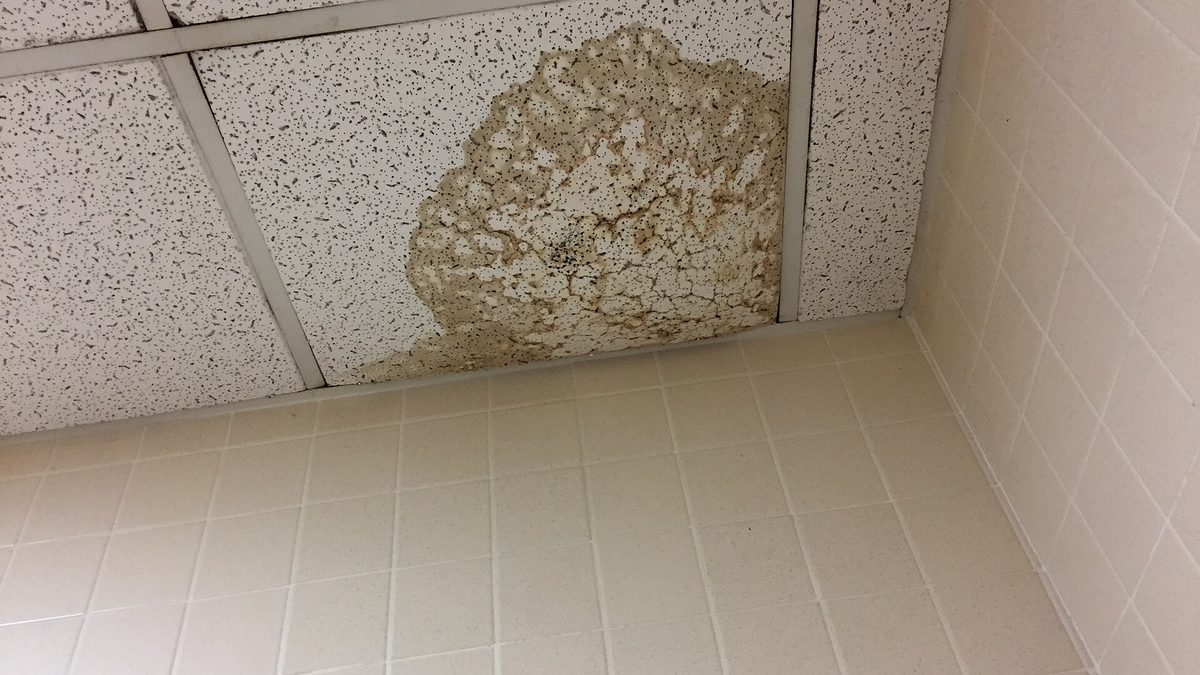
Water dripping down a wall signals an active leak, usually a roof leak, a burst or corroded plumbing pipe, a failed window seal, or basement seepage. It may look clear or brown from pipe rust or roof debris. Dry the area within 24 to 48 hours, the EPA's mold-prevention window, and call a professional the same day.
Key takeaways
- Visible water dripping down a wall needs professional attention within 24 to 48 hours, the window the EPA says wet building materials must dry in to avoid mold growth.
- Keep indoor humidity between 30 and 50 percent, and never above 60 percent, the EPA's own target range while a wall is drying out.
- Brown or rust-colored water usually comes from corroded copper or steel pipes, or sediment in roof runoff, not from contamination.
- Roof leaks get worse during or right after rain and dry up between storms; plumbing leaks drip constantly no matter the weather.
- Homeowner and renter policies typically cover a sudden leak like a burst pipe, but typically exclude a gradual leak or ongoing seepage, per the Texas Department of Insurance.
On this page
- Is Water Dripping Down a Wall an Emergency?
- What Causes Water to Drip Down an Interior Wall?
- Why Is the Dripping Water Brown or Discolored?
- How Can You Tell if It Is a Roof Leak or a Plumbing Leak?
- How Fast Does Water Damage Appear Once a Leak Starts?
- Can the Wall Dry Out Without Removal, or Must the Drywall Be Replaced?
- When Should You Call a Professional?
- Will Homeowners Insurance Cover a Dripping Wall Leak?
- When to call a professional
- Frequently asked questions
Is Water Dripping Down a Wall an Emergency?
Yes. Water dripping down a wall is an active leak, and wet building materials need to dry within 24 to 48 hours, the EPA's own mold-prevention guideline, or mold growth becomes likely. Treat it as urgent even if the drip looks small.
Why it is dangerous to ignore
Water reaching an outlet, switch, or light fixture creates a shock and fire risk as soon as it touches wiring. Water sitting against framing or joists for days causes rot and weakens the structure. Mold exposure also brings respiratory risks, especially for children and people with asthma.
What waiting costs you
A small repair today, patching a roof leak or replacing a section of pipe, costs far less than the alternative. Water left past the EPA's 24 to 48 hour drying window spreads into insulation, framing, and subflooring, turning a simple fix into a much bigger one.
What Causes Water to Drip Down an Interior Wall?
Five sources usually cause this: a roof leak above, a burst or leaking plumbing pipe inside the wall, a failed window or door seal, condensation from high indoor humidity, or basement seepage through the foundation. Where the drip shows up, and when it happens, points to the source.
- Roof leaks: failed roofing material, flashing around a chimney or vent, or clogged gutters send water into the attic and down an interior wall, usually during or right after rain.
- Plumbing leaks: a burst supply pipe, a corroded copper pipe, or a cracked drain line inside the wall releases water that trickles down at any time, regardless of weather.
- Window and door leaks: failed caulk, a cracked seal, or a gap around a frame lets rain in, especially on a wall that faces prevailing wind and rain.
- Condensation: on a cold exterior wall in a humid home, indoor moisture condenses on the cool surface. This feels wet but is not an active leak.
- Basement or foundation seepage: hydrostatic pressure from wet soil, or a crack in the foundation wall, pushes water inward and it shows up as seepage along the basement wall.
For a closer look at what happens once water gets inside a wall cavity, see water damage inside walls.
Why Is the Dripping Water Brown or Discolored?
Brown water dripping down a wall usually means rust from old or corroded pipes, sediment and minerals from roof runoff, or paint surfactant leaching. It is rarely a sign that the water itself is contaminated.
| Likely source | What is happening |
|---|---|
| Rust from copper or steel pipes | Old pipes corrode from the inside and release reddish-brown or orange particles into the water. |
| Sediment and minerals from roof water | Roofing debris, dust, and minerals build up in gutters and wash down during overflow or a clog. |
| Paint surfactant leaching | In humid or wet conditions, water-soluble parts of the paint dissolve and migrate to the surface as brown or yellow streaks. |
Brown water is not proof the water is sewage (black water) or heavily contaminated (gray water); it is usually a surface stain from the water's path or the pipe's condition. Avoid touching it directly either way.
The water-damage industry still classifies water by contamination level as Category 1 (clean), Category 2 (gray), or Category 3 (black, grossly contaminated, such as sewage), a separate question from color.
How Can You Tell if It Is a Roof Leak or a Plumbing Leak?
Roof leaks get worse during or right after rain and may stop between storms. Plumbing leaks drip constantly, day and night, no matter the weather. Timing and location are the fastest way to tell them apart.
| Clue | Roof leak | Plumbing leak |
|---|---|---|
| Timing | Starts with rain, slows as the roof dries, stops in dry spells | Constant, day and night, unaffected by weather |
| Location | Upper walls or near the ceiling, often below the attic or an upper floor | Anywhere along the wall, often below a bathroom or kitchen above |
| Water clarity | Often carries dust, debris, or sediment (brown or tan) | Usually clear, or slightly rusty from an old pipe |
| Staining pattern | Follows the roof slope or an attic rafter | May pool at the base of the wall along a pipe route |
If the stain only grows worse during a storm, a leaky roof brings its own water damage and mold risk worth checking first.
How Fast Does Water Damage Appear Once a Leak Starts?
Drywall absorbs water fast, so a stain or bubbling paint is usually the first visible sign, often within hours of a leak starting. The real deadline is mold, and the EPA says wet building materials must dry within 24 to 48 hours to avoid it.
Wood framing absorbs water on a similar timeline, though visible decay in the wood itself takes longer, days to weeks, to show. A musty odor developing sooner than that is an early sign that microbial growth has already started.
The EPA's mold course states that wet building materials and furnishings need to dry within 24 to 48 hours to avoid mold growth, and recommends keeping indoor humidity between 30 and 50 percent, never above 60 percent, while that happens.
Past the EPA's 24 to 48 hour window, materials that are still wet are likely to show visible mold colonies, lose structural strength in wood framing, and need professional drying equipment just to have a chance at being saved instead of replaced.
The restoration industry also classifies water by how contaminated it is: Category 1 (clean, such as a supply-line break), Category 2 (gray, with some contamination), or Category 3 (black, grossly contaminated). Water can move toward a dirtier category the longer it sits or the more it touches soil or building materials.
For the fuller picture of mold timing after any leak, see does water damage cause mold, and for the practical steps once drying starts, see how to prevent mold after a water leak.
Can the Wall Dry Out Without Removal, or Must the Drywall Be Replaced?
Drywall can often be dried and saved if the leak is caught and dried within the EPA's 24 to 48 hour window. Once it has stayed wet longer than that, or shows mold or a soft texture, replacement is usually the safer and cheaper path.
Conditions that favor saving the drywall:
- The leak is stopped right away.
- The wet drywall is found within about 24 hours.
- Professional drying equipment, air movers and dehumidifiers, starts that same day.
- The area is not a bathroom or other high-humidity spot where moisture quickly returns.
Replace the drywall instead when any of these are true:
- It has been wet for more than 48 hours.
- You see visible mold, or the surface feels soft or crumbling.
- The water was contaminated, Category 2 or 3, gray or black water.
- It sits on an exterior wall in a humid climate, where condensation keeps returning.
A professional confirms the call with a moisture meter, comparing the wet area to a dry, unaffected part of the same wall rather than relying on one fixed number. For a full repair-or-replace breakdown, see wet drywall replacement.
When Should You Call a Professional?
Call a professional the moment you find water dripping or running down a wall. Do not wait to see if it stops on its own. Who you call first depends on where the water is coming from.
| What you notice | Who to call |
|---|---|
| Constant drip, clear or rusty water, near a bathroom or kitchen above | A plumber |
| Drip tied to rain, stain on an upper wall or ceiling, visible roof damage | A roofer or roof inspector |
| Leak present for hours, wall feels soft or spongy, visible mold, or you need drying and documentation | A water damage restoration company |
Call an emergency or 24/7 service right away if the drip is a steady stream rather than occasional drops, the leak is active indoors, or you see visible mold or a sagging wall or ceiling. Waiting until Monday morning can turn a small repair into a much bigger one.
Once a restoration company is involved, the water damage restoration process explains what happens after that first call.
Will Homeowners Insurance Cover a Dripping Wall Leak?
Most homeowner and renters policies cover a sudden, accidental leak, like a burst pipe or a toilet overflow. Most do not cover a gradual leak or ongoing seepage. The Texas Department of Insurance explains this sudden-versus-gradual rule plainly.
| Usually covered | Usually not covered |
|---|---|
| A pipe that suddenly bursts | A slow pinhole leak that went unnoticed |
| A toilet or washing-machine hose that suddenly fails | A roof that has leaked for weeks |
| A sudden storm-related roof failure | A window seal that failed gradually, or chronic condensation |
Report the leak promptly and document it to support your claim: take dated photos and video, write down when you first noticed it, and get a plumber's or roofer's written opinion on whether it was sudden or gradual. This is general information, not advice on your own policy, so confirm the details with your insurer.
In a condo or apartment, who pays depends on where the leak started. A leak inside your own unit's fixtures is usually your own policy's problem; a leak from a shared pipe or the building's structure is usually the building's master policy; a leak from a neighbor's unit is usually their policy.
Check your lease, HOA documents, or condo master policy, or ask your property manager, to confirm. If an upstairs neighbor's leak is the cause, water damage from a neighbor's leak covers how responsibility usually gets sorted out.
When to call a professional
Call a professional right away, any time of day, if any of these apply:
- The drip is a steady stream, not occasional drops, or water is pooling on the floor.
- Water has reached an outlet, switch, or light fixture, or a breaker has already tripped near the wet wall; treat it as live and do not touch it.
- The wall or ceiling feels soft, bulges, or sags, a sign the structure underneath may already be failing.
- You smell sewage, or the water is clearly coming from a drain or sewer line rather than clean plumbing or rain.
- The area has been wet for more than 24 to 48 hours, the EPA's own mold-prevention window, with no professional drying started yet.
- You see visible mold growth, a musty smell that keeps getting stronger, or you cannot tell whether the source is your own plumbing or a shared building system.
Frequently asked questions
How can I tell if wall dripping is condensation and not a real leak?
Condensation feels like a fine mist or beads on the surface; a real leak drips water that runs down the wall. Condensation is worst on cold mornings and improves with ventilation and lower humidity, while a real leak is constant or follows rain. Tape plastic wrap over the spot for a day; if the wall-facing side stays wet, water is getting in from outside, not just condensing indoors.
What should I do before a professional arrives?
Stop the source if you safely can, by shutting off the main water valve for a suspected plumbing leak or clearing a gutter for a suspected roof leak. Move furniture and valuables away from the wet area and place a bucket or towel to catch the drip. Take dated photos and video, note the time you first noticed it, and open a window for airflow without disturbing wet drywall yourself.
Can mold grow within 24 hours of a leak?
Mold spores are airborne and can begin colonizing a wet surface within 24 to 48 hours, the EPA's own drying window, especially in a humid room. You likely will not see a visible colony that soon, but the clock is already running. That is why stopping the leak and starting drying inside that window matters more than how the stain looks today.
Is water dripping from an upstairs neighbor's leak my responsibility to fix?
It depends on where the leak started. If it traces to your neighbor's own fixtures or plumbing, their insurance or they are typically responsible for the damage. If it traces to a shared pipe or the building structure, the building's master policy or the HOA typically handles it. Check your lease, HOA documents, or condo master policy, and notify your property manager and your neighbor in writing right away.
Should I try drying the wall myself with fans and a dehumidifier?
For light surface moisture, a fan and a dehumidifier can help while you wait for the source to be fixed. If the drywall feels damp or soft, the leak is still active, or the wall has been wet for hours, professional drying equipment and a moisture check are what actually confirm the inside of the wall is dry, not just the surface.
What should I do if the leak is still actively running?
Shut off the main water valve for a plumbing source, or clear gutters and close windows for a roof or storm source, then place a bucket or tarp to catch the water. Move belongings away from the wall and keep the room ventilated. Call a plumber, roofer, or a 24/7 water damage service right away rather than waiting for regular business hours.
What drives the cost of repairing a water-damaged wall?
Cost depends mainly on how long the leak ran before it was found, whether drywall, insulation, or framing needs replacing, and whether mold remediation is needed on top of the repair. A leak caught and dried fast is usually a minor patch; one left for days can mean opening the wall and replacing materials. Get written estimates from a plumber, roofer, or restoration company for your specific damage, and ask your insurer whether the cause is covered.
Can I sell my house if a wall has had water damage in the past?
Yes, but most states require you to disclose past water damage and any mold remediation to buyers. If the leak was fixed, the area was fully dried, and no mold remains, it usually does not hurt resale value much. If mold or structural damage was involved, a pre-sale inspection and documentation of the completed repair help reassure buyers and support your asking price.
Sources
- U.S. Environmental Protection Agency, Mold Course Chapter 2: Moisture and Humidity
- Texas Department of Insurance, When Are Water Damage and Mold Covered by Insurance?
- IICRC, S500 Standard for Professional Water Damage Restoration
- American Society of Home Inspectors (ASHI), Water Intrusion and Leak Detection
- National Association of Insurance Commissioners (NAIC), Homeowners Insurance Guidance