What Happens When a Burst Pipe Causes Water Damage?
Quick answer
A burst pipe causes water damage fast, releasing 6 to 40 gallons per minute depending on pipe size and pressure. Without immediate cleanup, mold can begin within 24 to 48 hours and structural damage escalates over 3 to 7 days. Cleanup costs can jump from about $1,500 to $8,200 within hours.
Key takeaways
- A burst pipe can release 360 to 2,400 gallons per hour depending on pipe size and water pressure, according to Shipshape's water damage emergency guide; shutting off the main valve is the first priority.
- Mold can begin germinating within 4 to 12 hours in warm, humid conditions and often becomes visible within 24 to 48 hours, according to EPA guidance and research cited by PushLeads.
- Structural materials follow a clear timeline: saturation in the first 24 hours, framing and drywall softening by 24 to 48 hours, and studs or joists starting to weaken within 3 to 7 days, according to PuroClean; wood kept constantly wet can show visible decay within a few months, per EngineerFix.
- A clean water leak can cost about $1,500 to fix if caught right away, but the same leak left for about eight hours can cost $8,200 or more, according to PushLeads' restoration cost guide; delayed cleanup adds mold remediation costs on top of that.
- Homeowners insurance usually covers a sudden pipe burst but commonly denies claims tied to poor maintenance, inadequate heating, or a slow leak, according to CoverForge and ClaimsMate; keep maintenance records before damage happens.
On this page
- How Much Water Does a Burst Pipe Release?
- Mold Growth Timeline After Burst Pipe Water Damage
- Structural Damage Timeline: Hours to Days
- Foundation and Structural Settling From Prolonged Moisture
- Burst Pipe Water Damage Costs: Clean-Up to Restoration
- Odor and Musty Smell: A Timeline Signal
- Insurance Coverage: Sudden Burst vs. Gradual Leak and Maintenance Denials
- When to call a professional
- Frequently asked questions
How Much Water Does a Burst Pipe Release?
A broken half-inch branch line releases 6 to 10 gallons per minute, a 3/4-inch line releases 15 to 25 gallons per minute, and a 1-inch main line releases 25 to 40 gallons per minute, according to Shipshape's water damage emergency guide. At the top of that range, two hours of undetected flow can total 3,000 to 4,800 gallons.
| Pipe size | Gallons per minute | Gallons per hour |
|---|---|---|
| 1/2-inch branch line | 6 to 10 GPM | 360 to 600 |
| 3/4-inch trunk or main line | 15 to 25 GPM | 900 to 1,500 |
| 1-inch main supply line | 25 to 40 GPM | 1,500 to 2,400 |
A branch line feeds a single fixture, so a break there is easier to contain. A trunk or main line feeds several fixtures at once, and higher water pressure pushes out even more volume at the same pipe size, per Shipshape's guide.
Knowing why a pipe failed also helps you judge the scope of cleanup. See why pipes burst and the warning signs to watch for for the common causes.
Because flow adds up this fast, your first move is shutting off the main valve, not cleaning up. See what to do immediately when a pipe bursts for the exact shutoff steps.
Mold Growth Timeline After Burst Pipe Water Damage
Mold can begin germinating within 4 to 12 hours in warm, humid conditions, according to research cited by PushLeads, and visible colonies typically appear within 24 to 48 hours, according to EPA guidance. By 72 hours, mold is established and actively spreading to nearby material.
| Time since water contact | What is happening |
|---|---|
| 0 to 24 hours | Porous materials (drywall, carpet, wood, insulation) absorb moisture; no visible mold yet |
| 24 to 48 hours | Germinating spores form active colonies |
| 48 to 72 hours | Colonies become visible to the naked eye |
| Beyond 72 hours | Mold spreads to adjacent organic material and produces more spores |
The EPA recommends drying wet material within 24 to 48 hours to prevent mold, and its guide to mold, moisture, and your home is a good reference for the science behind that window.
Standing water also changes category as it ages. Clean Category 1 water from a burst supply line can convert to contaminated Category 2 or 3 water within 24 to 48 hours as microorganisms colonize it, according to Rapid Restoration's water category guide, a standard set by the IICRC.
For the fuller picture of mold risk and prevention beyond burst pipes specifically, see does water damage cause mold, and how fast it grows.
Structural Damage Timeline: Hours to Days
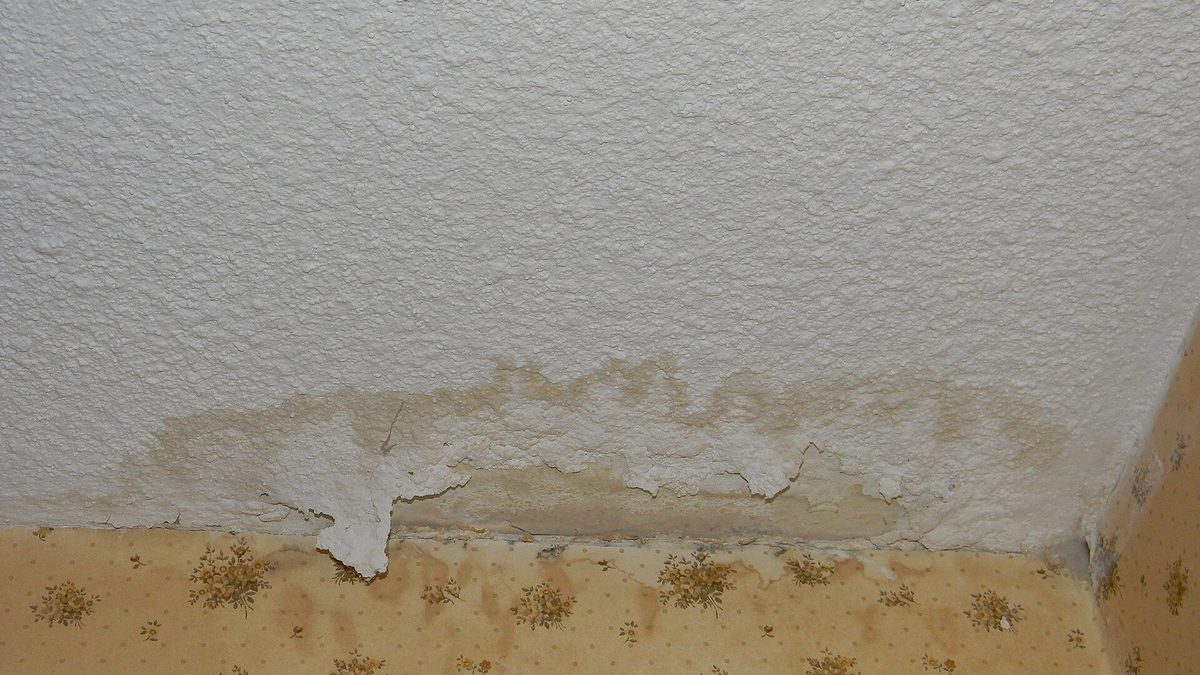
In the first 24 hours, drywall and wood absorb water and begin warping. Between 24 and 48 hours, framing swells, drywall softens and starts to crumble, and insulation traps moisture. By 3 to 7 days, wood rot can begin and structural members start to weaken, according to PuroClean's Ann Arbor restoration blog.
| Material | 0 to 24 hours | 24 to 48 hours | 3 to 7+ days |
|---|---|---|---|
| Drywall | Saturates, visible staining | Softens and begins to crumble | Usually needs replacement |
| Wood framing | Absorbs moisture | Swells and warps | Studs and joists start weakening; rot risk grows the longer it stays wet |
| Hardwood and subflooring | Water penetrates, can warp | Continues warping | Cupping, buckling, possible replacement |
| Insulation | Begins absorbing | Traps moisture | Loses insulating value; usually replaced |
Wood kept constantly wet, such as from a persistent leak, can show visible decay in as little as a few months, with significant structural damage possible within 1 to 3 years, according to EngineerFix's wood rot research. Wood that only gets wet occasionally and has time to dry out can take years longer to show any damage.
Drywall and hardwood each have their own salvage rules once they have been wet. See water-damaged drywall: repair or replace it and water-damaged hardwood floors: signs and repair for material-specific thresholds.
Foundation and Structural Settling From Prolonged Moisture
Yes, if water reaches foundation materials or seeps into a crawl space, prolonged moisture can create hydrostatic pressure that cracks, chips, or bows concrete, according to Cracked Slab's foundation repair research. Expanding soil beneath the foundation can push it out of level.
This mechanism, water plus soil expansion plus hydrostatic pressure, is a slow one. Foundation problems from a burst pipe are often discovered weeks or months later, once soil has fully expanded and settled.
Early drying after any burst pipe reduces this risk substantially, since the mechanism needs sustained moisture, not a single wet day, to build up pressure against concrete.
Burst Pipe Water Damage Costs: Clean-Up to Restoration
A clean water leak caught right away can cost about $1,500 to fix. The same leak left for about eight hours, once water has spread across a floor and soaked furniture and walls, can run $8,200 or more by the time a crew arrives, according to PushLeads' restoration cost guide.
One inch of standing clean water alone can cost $500 to $1,500 to fix, per restoration industry cost data.
| Cost driver | Typical range |
|---|---|
| Clean water leak, caught right away | About $1,500 |
| Same leak, left standing about 8 hours | $8,200 or more |
| Per square foot of water damage repair | $3 to $7.50 |
| Per inch of standing clean water | $500 to $1,500 |
| 500 sq ft basement, crews arrive within a few hours | About $1,750 |
| Added mold remediation if cleanup is delayed | $500 to $6,000 or more |
That last line is the real cost driver: cleanup speed, not the size of the leak, decides whether you pay for extraction alone or extraction plus mold remediation.
See how cleanup delays after a flood increase mold risk and cost for more on that escalation. These figures cover water damage cleanup only, not the plumbing repair itself.
Odor and Musty Smell: A Timeline Signal
There is usually little to no odor in the first few hours after a burst pipe. A faint musty smell can appear as microorganisms begin colonizing wet material, in the same 24 to 48 hour window that mold starts forming, and the smell grows stronger as colonies become visible around 48 to 72 hours.
Smell intensity is not a sign cleanup is finished. It is a sign that mold is active and that professional drying is still needed, even after visible water is gone.
A musty smell can linger for weeks after cleanup if hidden moisture remains behind a wall or under flooring, which is one more reason to confirm materials are fully dry, not just surface-dry.
Insurance Coverage: Sudden Burst vs. Gradual Leak and Maintenance Denials
Yes, homeowners insurance usually covers sudden pipe burst damage. No, it typically denies claims tied to poor maintenance, inadequate heating that caused frozen pipes, or a slow leak that was ignored, according to CoverForge's water damage claim guide.
Water damage is the most frequently filed homeowners insurance claim, and also one of the most frequently denied, per CoverForge. Insurers often argue a sudden burst was actually gradual wear and tear, according to ClaimsMate's denial research.
| Scenario | Typical outcome |
|---|---|
| Sudden pipe burst in an occupied, heated home | Usually covered |
| Frozen pipe burst from inadequate heating | Often denied |
| Slow leak that went unaddressed | Often denied as gradual damage or neglect |
| Home left without adequate heat and pipes not drained | Often denied under a freezing exclusion |
For the general claim process after a burst pipe, Progressive's guide on what to do when a pipe bursts covers documentation and filing steps; always check your own policy's specific terms, since coverage language varies by insurer.
Keep dated photos and records of plumbing inspections, heating system checks, and winterization before anything happens. Insurers use the absence of these records to argue negligence, so documentation protects your claim ahead of time, not after.
Frozen-pipe bursts often affect multiple lines at once and complicate claims if the home was inadequately heated. See how to keep pipes from freezing this winter to avoid that scenario.
In a condo or apartment, responsibility depends on condo bylaws and whether the pipe sits in a private unit or a common area. A burst in shared plumbing, walls, or a roof is often the HOA's responsibility, according to ServiceMaster's guide on upstairs condo water damage.
The water damage costs above do not include fixing the pipe itself. See burst pipe repair cost: what to expect for that separate price.
When to call a professional
Call a professional water damage or restoration company right away if any of these apply:
- Water is still flowing or spreading and you cannot stop it by shutting off the main valve.
- Standing water is deeper than 1 inch anywhere in the affected area.
- Water has reached electrical outlets, panels, or wiring: stay out of that area and do not touch nearby switches.
- You cannot isolate the leak within 30 minutes of discovering it.
- It happens on a night or weekend and professional drying equipment cannot start right away.
- You smell gas, or suspect sewage contamination (Category 3 black water): do not enter the area, and call emergency services first.
A small, shallow puddle of clean water that you can dry within the first hour or two may be safe to handle yourself. Past that window, hidden moisture behind walls and under flooring is already feeding the mold timeline above, and professional extraction equipment works faster than towels and fans, according to PuroClean's delayed-cleanup research.
| Situation | What to do |
|---|---|
| Small, confined puddle of clear water, caught within the first hour or two | Drying it yourself with fans and towels may be enough |
| Water has been standing more than 24 hours, source unknown, or multiple rooms affected | Call a professional restoration company |
| Water touched drywall, subflooring, or insulation | Call a professional; hidden moisture is likely even if the surface looks dry |
| Any electrical hazard or sewage (Category 3) contamination | Do not enter; call a professional immediately |
Frequently asked questions
How long before I must replace drywall after a burst pipe?
Drywall usually survives if it is dried within the first 24 hours. Between 24 and 48 hours it starts to soften and crumble, according to PuroClean's Ann Arbor restoration blog, and at that point replacement becomes likely rather than optional. Waiting several days with wet drywall in place almost always means tearing it out and starting over.
Can I dry out carpet after a burst pipe, or must it be replaced?
Carpet can often be saved if the water is clean (Category 1) and drying starts quickly, before the 24 to 48 hour window when standing water typically converts to contaminated Category 2 or 3 water, according to Rapid Restoration's water category guide. Once mold becomes visible, usually by 48 to 72 hours, carpet is generally not worth saving.
What is Category 1, 2, and 3 water, and does it matter for insurance?
Category 1 is clean water from a source like a burst supply line. Category 2 (grey water) and Category 3 (black water, from sewage) are contaminated, and standing Category 1 water can convert to Category 2 or 3 within 24 to 48 hours as microorganisms colonize it, according to Rapid Restoration's water category guide. The category affects cleanup cost and, in some cases, how insurers view delay.
Will my homeowners insurance pay for mold remediation after a burst pipe?
Insurance is more likely to cover mold remediation when the mold developed directly from a sudden, covered burst and cleanup began promptly. Mold remediation can add $500 for a small surface treatment to $6,000 or more for widespread contamination, according to PushLeads' restoration cost guide, and insurers may treat a long delay as negligence rather than covering it. Prompt professional response strengthens the claim.
How do I prove to my insurance company that I maintained my pipes before a burst?
Keep dated records of plumbing inspections, heating system checks, and winterization, along with photos and contractor names, according to ClaimsMate's guide on common denial reasons. Insurers frequently deny burst pipe claims by arguing a lack of maintenance or inadequate heating caused the failure. Documentation dated before the burst is what counters that argument.
Can water from a burst pipe cause permanent foundation damage?
Yes. Prolonged water under a slab or in a crawl space can build hydrostatic pressure and cause soil to expand, leading to cracked, chipped, or bowed concrete and a foundation that settles out of level, according to Cracked Slab's foundation research. This kind of damage is often discovered weeks or months later, once drying would no longer prevent it.
What is the difference between a burst from a frozen pipe vs. a pressure or age-related burst?
A frozen-pipe burst often affects several lines at once because ice forms wherever pipes are least protected, and it usually happens in winter when access can be harder. A pressure or corrosion-related burst usually affects a single line and can happen any time of year. Both release similar volumes of water, but a frozen burst is more likely to trigger an insurance review of your home's heating, according to ClaimsMate's denial research.
Sources
- Shipshape, Water Damage Emergency Response Guide
- PushLeads, Restoration Company Water Damage Cost Guide
- PuroClean (Ann Arbor, MI), How Delayed Cleanup After a Burst Pipe Leads to Structural Damage
- PuroClean (Reno, NV), How Quickly Can Mold Form on Water-Damaged Drywall?
- EngineerFix, How Long Does It Take for Wood to Rot From Water Damage?
- Rapid Restoration, Water Damage Categories Explained
- ClaimsMate, Common Reasons Insurance Denies a Burst Pipe Insurance Claim
- Cracked Slab, The Effects of a Burst Pipe on Your Foundation
- ServiceMaster, Water Damage From Upstairs Condo
- CoverForge, Water Damage Insurance Claim Guide
- U.S. EPA, A Brief Guide to Mold, Moisture and Your Home
- IICRC, Institute of Inspection, Cleaning and Restoration Certification
- Progressive, What to Do When a Pipe Bursts
- PushLeads, How Quickly Does Mold Grow After Water Damage?